Table of Contents
- 01How we picked
- 02Quick overview
- 03Our picks
- Best Overall
- Best on a Budget
- Best for High Speed
- Best Convertible
- Best Lightweight
- Best for EUC and E-Skate
- Best Under $100
- 04How to choose
- When you need a full-face helmet
- What each certification tests
- How to read Virginia Tech stars
- Fixed chin bar or removable?
- Fit and weight
- Ventilation, visors and goggles
- When to replace a full-face helmet
- What we would buy
- 05FAQ
Ask anyone who has spent a few years around electric unicycles, one-wheels or fast scooters and they will have a story that ends the same way: they were wearing a helmet, and they still lost teeth.
A bicycle helmet protects the top, sides and back of your skull. It does not protect your jaw, chin, teeth or nose, and on a personal electric vehicle those are not unusual injuries. A nationwide South Korean study of injuries on electric personal mobility devices, a group that includes e-scooters and electric unicycles, found the head and face was the most injured area of the body, at 49.6 percent of cases. Personal electric vehicles are unusually good at throwing you forward, and a full-face helmet is the only helmet that covers the part you land on.
This guide covers the full-face helmets worth buying in 2026, and just as importantly, how to tell a certified chin bar from a decorative one. Every star rating here is from Virginia Tech's current bicycle helmet list, and every weight and certification is from the maker's own product page. We have not crash tested anything ourselves.
How we picked
We started with every full-face helmet Virginia Tech has rated (16 of 308 in September 2026), then added the full-face helmets that reviewers, owner forums and Amazon buyers recommend most often, including ones Virginia Tech has not tested. We kept helmets that are currently in stock from a reputable seller, and we cut ones we could not find for sale, a three-quarter shell with no chin bar, and a skate helmet its maker has replaced with a newer model.
Star ratings and ranks are Virginia Tech's, read from its live list in September 2026. Certifications and weights come from each maker's product page. Amazon ratings are as shown on each listing when we checked, and they change. We have not crash tested these helmets, and no website should claim it has without a lab behind it.
Quick Overview
We may earn a commission when you buy through links on this page, at no extra cost to you. As an Amazon Associate, we earn from qualifying purchases. Learn more
| Category | Best Overall | Best on a Budget | Best for High Speed | Best Convertible | Best Lightweight | Best for EUC and E-Skate | Best Under $100 | ||
|---|---|---|---|---|---|---|---|---|---|
| Pick |  Leatt MTB Gravity 5.0Top pick Leatt MTB Gravity 5.0Top pick | 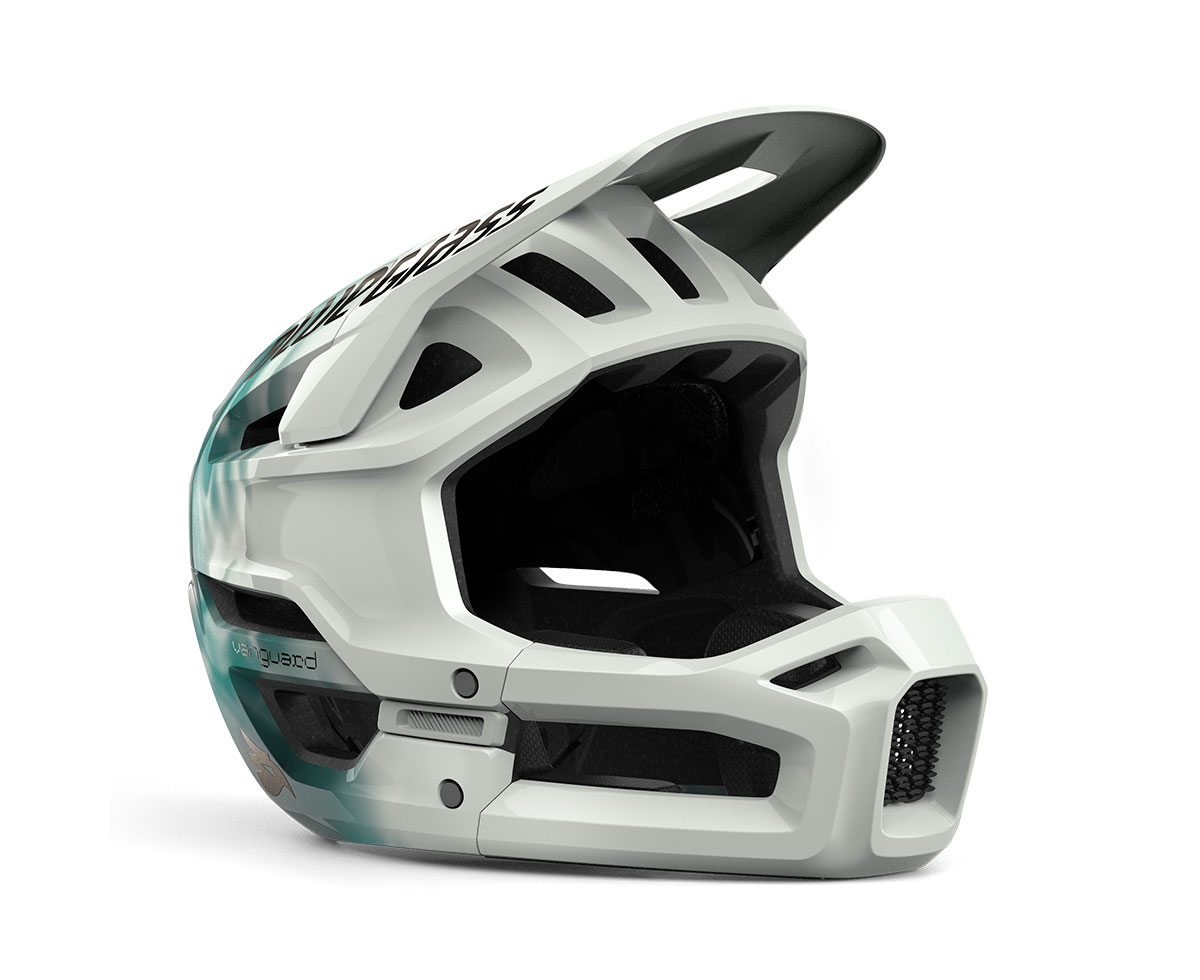 Bluegrass Vanguard Core MIPS Bluegrass Vanguard Core MIPS |  OutdoorMaster Rhino Full FaceBudget pick OutdoorMaster Rhino Full FaceBudget pick | 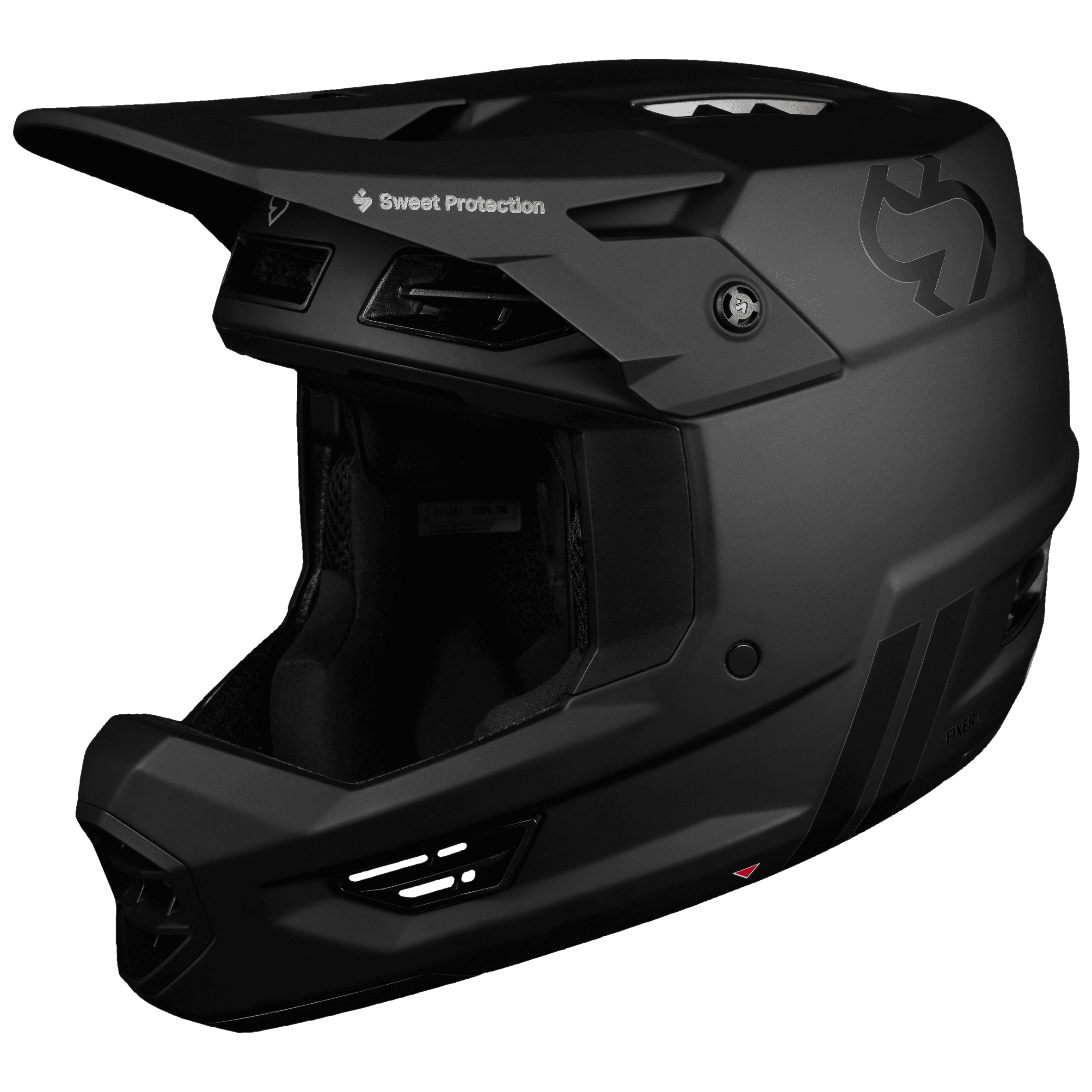 Sweet Protection Fixer Composite 2Vi MIPSUpgrade pick Sweet Protection Fixer Composite 2Vi MIPSUpgrade pick |  Troy Lee Designs Stage MIPS Troy Lee Designs Stage MIPS | 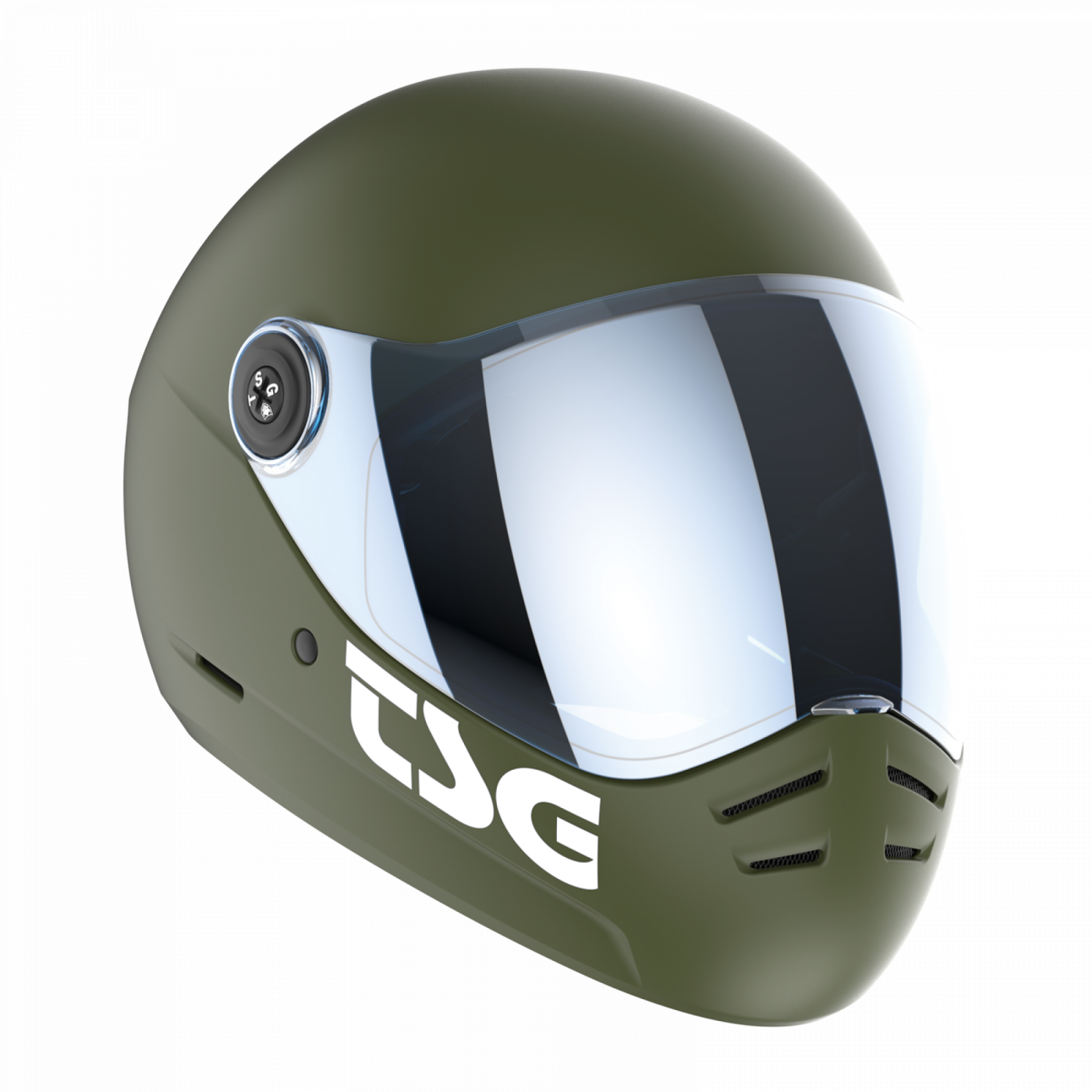 TSG Pass 2.0 TSG Pass 2.0 |  O'NEAL Sonus O'NEAL Sonus | ||
| Virginia Tech | 5 stars (#35 of 308) | 4 stars (#56 of 308) | 5 stars (#43 of 308) | 5 stars (#12 of 308) | Not tested | Not tested | Not tested | Not tested | 4 stars (#116 of 308) |
| Certification | CPSC + EN 1078 + NTA 8776 + ASTM F1952 | CPSC + EN 1078 + NTA 8776 + ASTM F1952 | CPSC + EN 1078 + ASTM | CPSC + EN 1078 + NTA 8776 + ASTM F1952 | CPSC + ASTM F1952 + ASTM F2032 | CPSC + EN 1078 + ASTM F1952 | CPSC + ASTM F1952 (downhill) | CPSC + EN 1078 + ASTM F1952 | CPSC + EN 1078 |
| Chin bar | Fixed | Fixed | Fixed | Fixed | Removable | Fixed | Fixed | Fixed | Fixed |
| Weight | 710 g (size M) | 725 g (size M) | Just under 750 g | 1,240 g (57 to 58 cm) | 860 g (size M) | 690 g | 820 g (size M) | 1,060 to 1,130 g | 1,050 g (size L) |
| Buy | Buy | Buy | Buy | Buy | Buy | Buy | Buy | Buy | Buy |
Our Picks
Best Overall
Leatt MTB Gravity 5.0
- Virginia Tech
- 5 stars (#35 of 308)
- Certification
- CPSC + EN 1078 + NTA 8776 + ASTM F1952
- Chin bar
- Fixed
- Weight
- 710 g (size M)
Standouts
- 5 stars, NTA 8776 and ASTM F1952 together
- 710 g in a medium
- BOA FS2 dial fit and a Fidlock magnetic buckle
- 3-year crash replacement program
Trade-offs
- Priced with the premium helmets
- Race-style looks that not every commuter wants
The Gravity 5.0 is one of only five full-face helmets with a current 5-star Virginia Tech rating and NTA 8776 certification, and its chin bar is ASTM F1952 certified too. That combination covers both halves of the problem: a shell tested with e-bike speeds in mind and a chin bar that has passed a real deflection test. It ranks 35th of all 308 helmets Virginia Tech has rated, and it is in stock on Amazon and at Leatt, which is more than we can say for the Sweet Protection helmets that score higher.
It is also the lightest helmet on this page with both NTA 8776 and ASTM F1952, at 710 g in a medium, with a BOA dial and two cheek pad positions for fit. The downsides are price and looks: it is built as a race helmet and it is priced like one.
Bluegrass Vanguard Core MIPS
- Virginia Tech
- 4 stars (#56 of 308)
- Certification
- CPSC + EN 1078 + NTA 8776 + ASTM F1952
- Chin bar
- Fixed
- Weight
- 725 g (size M)
Standouts
- NTA 8776 and ASTM F1952 together
- 725 g with 24 vents
- A different fit to the Leatt
Trade-offs
- 4 stars on the current scale
- Priced like the 5-star helmets
- Thin stock on Amazon
The Vanguard Core is the other lightweight full-face that carries NTA 8776 and ASTM F1952 together, at 725 g with 24 vents. Independent testing has been kind to it: one European group test of lightweight full-faces named it best in test.
It is here mainly as the alternative shell shape to the Leatt, because no amount of pad swapping fixes a helmet that is the wrong shape for your head. Know that Virginia Tech's current list has it at 4 stars (56th of 308), even though Bluegrass still advertises 5 from before the 2025 threshold change.
Best on a Budget
OutdoorMaster Rhino Full Face
- Virginia Tech
- 5 stars (#43 of 308)
- Certification
- CPSC + EN 1078 + ASTM
- Chin bar
- Fixed
- Weight
- Just under 750 g
Standouts
- 5 stars at about a third of the price of other 5-star full-faces
- 27 vents and an EPP collarbone impact system
- Washable liner and two chin pad thicknesses
Trade-offs
- No NTA 8776
- OutdoorMaster does not name the ASTM standard on its product page
- Sold on Amazon under a different name
A 5-star Virginia Tech full-face for around $120 to $130. Virginia Tech ranks it 43rd of 308 helmets, ahead of plenty of $300 helmets, and it lists CPSC, EN 1078 and an ASTM certification. It has 27 vents, an EPP collarbone impact system, a washable liner and two chin pad thicknesses, at just under 750 g.
Two things to know. It does not carry NTA 8776. And the naming is confusing: Virginia Tech tested the Rhino, Amazon sells the same helmet as the Grizzly, and OutdoorMaster's own Rhino page calls it the Grizzly too. Match the 27 vents and the 57 to 62 cm size range, and do not confuse it with the Rhino MIPS, a different model Virginia Tech has not rated.
Best for High Speed
Sweet Protection Fixer Composite 2Vi MIPS
- Virginia Tech
- 5 stars (#12 of 308)
- Certification
- CPSC + EN 1078 + NTA 8776 + ASTM F1952
- Chin bar
- Fixed
- Weight
- 1,240 g (57 to 58 cm)
Standouts
- 12th best score of all 308 helmets tested
- NTA 8776 and ASTM F1952 together
- Glassfibre hardshell with penetration-proof rear vents
Trade-offs
- 1,240 g, heavy for long rides
- Only 11 vents
- Limited US stock
Virginia Tech ranks the Fixer Composite 12th of all 308 helmets it has tested, open-face included, and it carries NTA 8776 and ASTM F1952. It is a glassfibre downhill shell with a 2-layer MIPS system, impact shields front and rear, and penetration-proof vents at the back.
That protection costs weight and airflow: 1,240 g with 11 vents. It makes the most sense for electric unicycle and scooter riders who spend real time above 25 mph and ride in shorter stints. One caution on buying: Amazon stock comes from a single third-party seller with a unit or two per size, and Sweet Protection's US site currently lists only a signature edition.
Best Convertible
Bell Super DH Spherical
- Virginia Tech
- Not tested
- Certification
- CPSC + ASTM F1952 + ASTM F2032
- Chin bar
- Removable
- Weight
- 860 g (size M)
Standouts
- Removable chin bar certified to ASTM F1952
- Spherical rotational system powered by MIPS
- 4.7 stars from over 100 Amazon ratings
Trade-offs
- Not rated by Virginia Tech
- No NTA 8776
- 860 g, heavier than a fixed lightweight full-face
The Super DH is the convertible to buy if you want the chin bar to count. Bell lists ASTM F1952 for it, and that standard tests helmets with a removable bar both with the bar on and with it off. Most convertibles, including Bell's own best-selling Super Air R, list CPSC only, which means the bar has never been through a chin bar test.
Inside is Bell's Spherical system, a MIPS-powered liner that lets the outer foam rotate around the inner foam in a crash. It weighs 860 g with the bar, and Virginia Tech has not rated it. The Amazon listing uses the older name, Super DH MIPS.
Best Lightweight
Troy Lee Designs Stage MIPS
- Virginia Tech
- Not tested
- Certification
- CPSC + EN 1078 + ASTM F1952
- Chin bar
- Fixed
- Weight
- 690 g
Standouts
- 690 g, the lightest here
- 25 vents
- ASTM F1952 plus CPSC and EN 1078
Trade-offs
- Not rated by Virginia Tech
- No NTA 8776
At 690 g the Stage is the lightest helmet on this page, with 25 vents and MIPS C2, and it carries ASTM F1952 alongside CPSC and EN 1078. Reviewers regularly put it at or near the top of lightweight full-face lists, and it has more than 400 Amazon ratings at 4.6 stars.
If you ride a long e-bike commute in warm weather, this is the full-face you are most likely to keep wearing. It has not been rated by Virginia Tech and it does not carry NTA 8776.
Fox Racing Proframe RS
- Virginia Tech
- Not tested
- Certification
- CPSC + ASTM F1952 (downhill)
- Chin bar
- Fixed
- Weight
- 820 g (size M)
Standouts
- Downhill certified with a BOA dial fit
- MIPS Integra Split liner
- Two cheek pad thicknesses included
Trade-offs
- Not rated by Virginia Tech
- No NTA 8776
- Costs as much as the 5-star Leatt
The Proframe RS is the full-face reviewers name most often for hot weather and long climbs. It pairs a downhill-certified shell with a BOA dial, a Fidlock magnetic buckle and Fox's MIPS Integra Split liner, which combines EPP and EPS foam with a low-friction layer. Fox lists 820 g in a medium.
It costs about the same as the Leatt, weighs 110 g more, and has neither a Virginia Tech rating nor NTA 8776. We would pick it if it fits your head better than the Leatt or the Stage.
Best for EUC and E-Skate
TSG Pass 2.0
- Virginia Tech
- Not tested
- Certification
- CPSC + EN 1078 + ASTM F1952
- Chin bar
- Fixed
- Weight
- 1,060 to 1,130 g
Standouts
- Sealed visor with anti-fog air channels
- Clear and tinted visors included
- ASTM F1952, EN 1078 and CPSC
- Six sizes from 53 to 63 cm
Trade-offs
- Not rated by Virginia Tech
- Over 1 kg
- Warmer than an open mountain bike full-face
Electric unicycle and e-skate riders settled on TSG's Pass years ago, for practical reasons: a compact shell that sits close to the head, and a full visor that seals against wind and rain at speed. The Pass 2.0 replaces the Pass Pro with an ABS shell, air channels that push air across the visor to fight fogging, clear and tinted visors in the box, and sizes from XS to XXL. It carries ASTM F1952, EN 1078 and CPSC, and TSG says it beats the Pass Pro by up to 23 percent in its own EN 1078 impact tests.
The trade is weight and heat. At 1,060 to 1,130 g it is heavier than the mountain bike full-faces, and a sealed visor runs warmer on slow summer rides. Virginia Tech has not rated it.
Best Under $100
O'NEAL Sonus
- Virginia Tech
- 4 stars (#116 of 308)
- Certification
- CPSC + EN 1078
- Chin bar
- Fixed
- Weight
- 1,050 g (size L)
Standouts
- 4 stars for under $100
- Fidlock magnetic buckle
- 4.6 stars from 600+ Amazon ratings
Trade-offs
- No ASTM chin bar certification
- No NTA 8776
- About 1,050 g
The Sonus is a 4-star Virginia Tech full-face for under $100, ranked 116th of 308, which puts its shell alongside helmets that cost three times as much. It has a Fidlock magnetic buckle, a washable liner and more than 600 Amazon ratings at 4.6 stars.
It is CPSC and EN 1078 only, so the chin bar has not been through an ASTM test, and at about 1,050 g in a large it is heavy. It is still far more face protection than any open-face helmet.
As an Amazon Associate, we earn from qualifying purchases.
How to Choose
When you need a full-face helmet
Not every rider needs one. The framing below comes from the electric-unicycle community, which has thought about this harder than anyone, and it travels well to scooters, e-skate and fast e-bikes:
| Your speed and riding | What is enough |
|---|---|
| Under 20 mph on quiet roads | A good bicycle helmet with a rotational system |
| 20 to 25 mph | An NTA 8776 helmet, open-face or full-face |
| 25 to 28 mph | A full-face bicycle helmet, ideally ASTM F1952 and NTA 8776 |
| Regularly above 28 mph | A motorcycle helmet certified to DOT or ECE 22.06 |
Speed is not the only trigger. One kind of vehicle makes a chin bar the right call at any speed:
- You ride an electric unicycle or a one-wheel. A cutout or a nosedive pitches you forward with no handlebars to catch you. This is the strongest case for a chin bar in all of personal electric vehicle riding.
Two more situations make a chin bar worth considering, even at lower speed:
- You ride in traffic. A face-first hit on a car door or a curb does not care what speed you were doing.
- You are still learning. Beginner falls are the most frequent and the least controlled, which is exactly when riders tell themselves they are only going slowly.
If none of that describes you, a well-chosen open-face helmet is a perfectly reasonable choice. That includes most e-scooter riders at commuting speed, and our helmet guide covers those.
What each certification tests
This is the part most buying guides skip, and it matters more than any other spec on the box.
CPSC 1203 and EN 1078 do not test chin bars. These are the US and European bicycle standards, and almost every bike helmet carries one or both. A helmet can pass both with a chin bar bolted to the front that has never been impact tested at all. That is legal, it is common, and nothing on the sticker will tell you.
ASTM F1952 is the downhill mountain bike standard, and it does test the chin bar. If a helmet has a bar, the standard hits it with a weighted striker (about 20 joules of energy, roughly a 5 kg weight dropped 40 cm) and the bar must not deflect more than 60 mm. Helmets with a removable bar are tested both with and without it. F1952 also drops helmets onto its curb and hemisphere anvils from 1.6 m where CPSC uses 1.2 m, and its test line sits lower at the sides and back, so more of the helmet has to protect you.
NTA 8776 is the Dutch standard written for speed pedelecs, electric bikes that travel up to 45 km/h (28 mph). It tests impacts at higher energy than EN 1078 and over more of the temples and back of the head. It says nothing specific about chin bars, so it answers a different question from F1952: F1952 tells you the chin bar is real, and NTA 8776 tells you the shell was tested with electric bike speeds in mind. Very few full-face helmets carry both, which is why the ones that do lead this list.
Above 28 mph, stop shopping for bicycle helmets. DOT and ECE 22.06 are motorcycle standards, and ECE 22.06 is generally the better of the two because it adds rotational testing. A motorcycle helmet is heavier and hotter, and that is the price of the speed.
Two practical tips. First, look for the certification label inside the helmet, not just in the marketing copy. Second, if a listing says only "ASTM" without a number, it may mean F1952, or it may mean something else; the label inside will tell you.
How to read Virginia Tech stars
Virginia Tech's Helmet Lab runs every helmet it rates through the same set of impacts and turns the results into a score and a star rating from zero to five. It is the best independent comparison available, and it has two limits worth understanding.
It scores the shell, not the chin bar. Virginia Tech's bicycle test measures how well a helmet protects your brain from impacts to the head. It does not score how the chin bar protects your jaw. That is why certification and stars answer different questions and why we look at both.
Very few full-face helmets have been rated. Of the 308 helmets on the list in September 2026, only 16 are full-faces. Popular models like the Fox Proframe RS, Troy Lee Designs Stage and Bell Super DH have never been tested, so "not tested" in the table below is a gap, not a fail.
One more thing. Virginia Tech tightened its star thresholds in 2025 and many helmets dropped a star. Some makers still advertise their old rating: Bluegrass lists the Vanguard Core as 5 stars, and Virginia Tech's current list has it at 4. Check the live list rather than the box.
The standout finding from the current list: exactly five full-face helmets hold a 5-star rating and NTA 8776 together. Three are from Sweet Protection (the Fixer Carbon, Strayer and Fixer Composite), plus the 6D Alterra and the Leatt Gravity 5.0.
Fixed chin bar or removable?
A convertible helmet lets you take the chin bar off, so one helmet does the slow commute and the fast ride. It is a genuinely useful idea with real caveats.
In favour: you own one helmet instead of two, and you can ride open-faced on hot slow days and clip the bar on when the riding gets fast.
Against:
- Many removable chin bars are not certified. Bell's best-selling Super Air R, for example, lists CPSC only, so its bar has never been through the F1952 deflection test. Bell's Super DH and MET's Parachute MCR are certified to F1952 with the bar fitted.
- They are heavier than a comparable fixed full-face, because the attachment hardware has to live somewhere.
- A bar you can remove is a bar you will remove. Be honest about whether you will actually put it back on before the fast part of the ride.
If you will switch modes often, buy a certified convertible. If you will pick one mode and stay there, a fixed full-face is lighter and simpler.
Fit and weight
Everything in the open-face fitting advice still applies: measure your head about a finger's width above your eyebrows, sit the helmet level, and check that it moves your scalp when you shake your head. A full-face adds three checks:
- Cheek pads should feel snug to tight when new. They compress with use. A full-face that feels roomy on day one is often a size too big a few months later, which is why good helmets ship with two pad thicknesses.
- Check your view in a riding position, not standing in a shop. Look down to where your front wheel would be and up to where a traffic light would be.
- Try the chin strap and buckle with gloves on. Magnetic buckles (Fidlock) are much easier than a double D-ring when your hands are cold.
Full-face helmets on this list run from 690 g to over 1,200 g. Half a kilogram is felt in your neck after an hour, and a tired neck is a real safety issue on long rides. For commuting, the lighter mountain bike full-faces make the most sense. For short fast runs, the heavier downhill and skate shells are fine.
Ventilation, visors and goggles
Mountain bike full-faces are built to be pedalled in, with 17 to 27 vents and a chin bar you can breathe through. They pair with goggles or sunglasses and a peak visor that keeps the sun out of your eyes. That setup suits e-bike riders and anyone riding in warm weather.
Skate and electric-unicycle helmets like the TSG Pass 2.0 take the other route: a full clear visor that seals against the shell, which keeps out wind, rain and bugs at speed but runs warmer. The failure mode is fogging, and it is the main reason riders stop wearing a full-face they paid for. Nose ports, air channels that push air across the visor and an anti-fog coating are not marketing features. A fogged visor at speed is a real hazard.
If you wear glasses, try the helmet with them on. Some chin bars and cheek pads press the arms against your head.
When to replace a full-face helmet
Replace it after any crash where your head or chin bar hit the ground, even if it looks fine. The foam that protects you crushes once and does not spring back, and damage can hide under an intact shell. Replace it too if you see cracks, crushed foam, or a faded, chalky shell from years in the sun.
The common five-year rule is better treated as an upgrade interval than an expiry date: helmets improve quickly, and a new helmet is often measurably better than the one it replaces. Leatt runs a three-year crash replacement program for its helmets, which is worth registering for if you buy one.
What we would buy
- Most fast riders: the Leatt MTB Gravity 5.0. 5 stars, NTA 8776 and ASTM F1952, and in stock on Amazon.
- On a budget: the OutdoorMaster Rhino. A 5-star full-face for around $120 to $130.
- Most protection: the Sweet Protection Fixer Composite, 12th of all 308 helmets Virginia Tech has tested.
- One helmet for everything: the Bell Super DH, a convertible with a certified chin bar.
- EUC and e-skate: the TSG Pass 2.0, for its visor and compact shell.
The Sweet Protection Strayer 2Vi MIPS scores even higher than the Leatt (8th of 308) and carries both certifications, but when we checked it was out of stock at Sweet Protection's US store and unavailable on Amazon. If you find one in stock, it is an excellent choice.
Frequently Asked Questions
Do I need a full-face helmet for an e-bike?
Which certification tests the chin bar?
What does NTA 8776 mean on a full-face helmet?
Are removable chin bars safe?
Why do some good full-face helmets say not tested by Virginia Tech?
Will a full-face helmet fog up?
How tight should a full-face helmet feel?
What should I wear above 28 mph?
Looking to buy an electric ride?
We track 378 vehicles and check their prices every day. Start wherever suits you.
Type
Budget