Table of Contents
E-bikes are stolen more than regular bikes, and for obvious reasons. They are worth more, they are easy to resell, and the battery alone has a market. A lock is not an accessory on a two-thousand-dollar vehicle. It is part of the purchase.
The uncomfortable truth is that no lock is unbreakable. Every lock buys time and noise, and the goal is to be enough trouble that the thief moves to the bike next to yours. What follows is about buying time honestly rather than buying the feeling of security.
How we picked
Security ratings are Sold Secure's, not ours, and grinder resistance is each maker's claim about their own materials. We have not cut any locks open. Where a lock has no independent rating we say so rather than repeating the marketing.
Quick Overview
We may earn a commission when you buy through links on this page, at no extra cost to you. As an Amazon Associate, we earn from qualifying purchases. Learn more
| Pick | 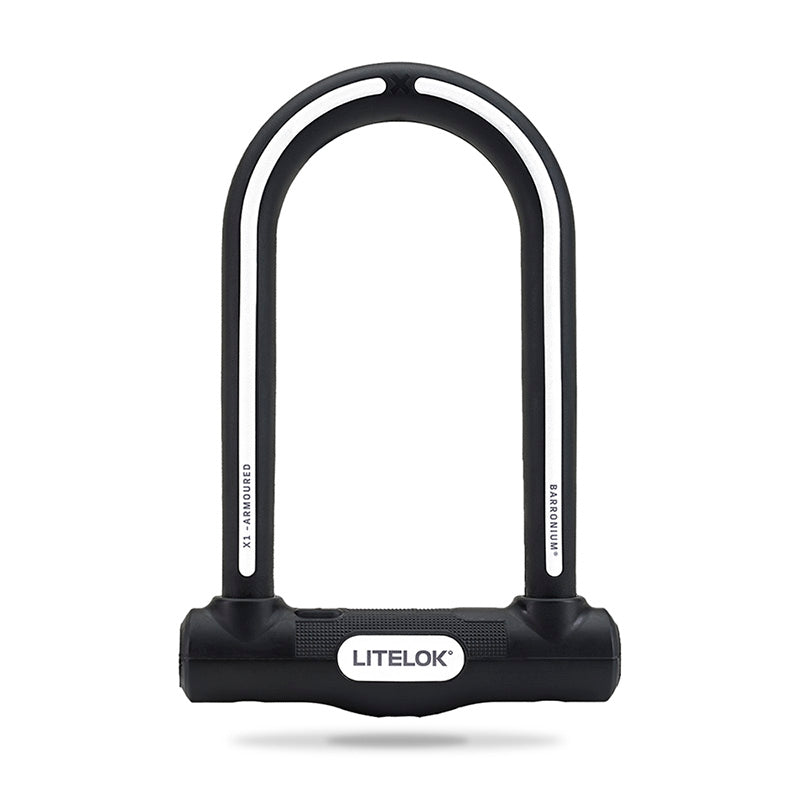 Litelok X1Top pick |  OnGuard RockSolid 8590Best value | 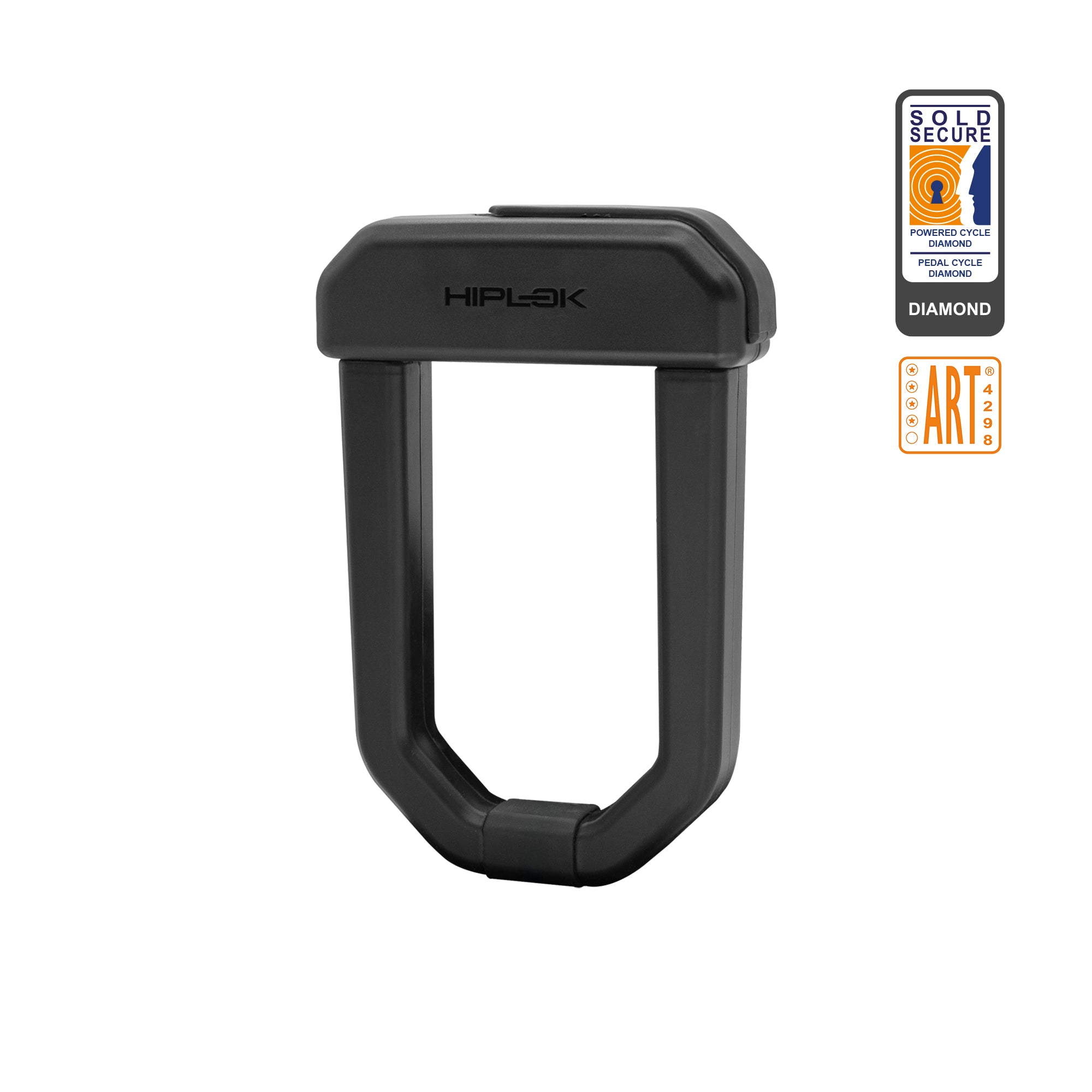 Hiplok D1000 |  Litelok X3Maximum security | 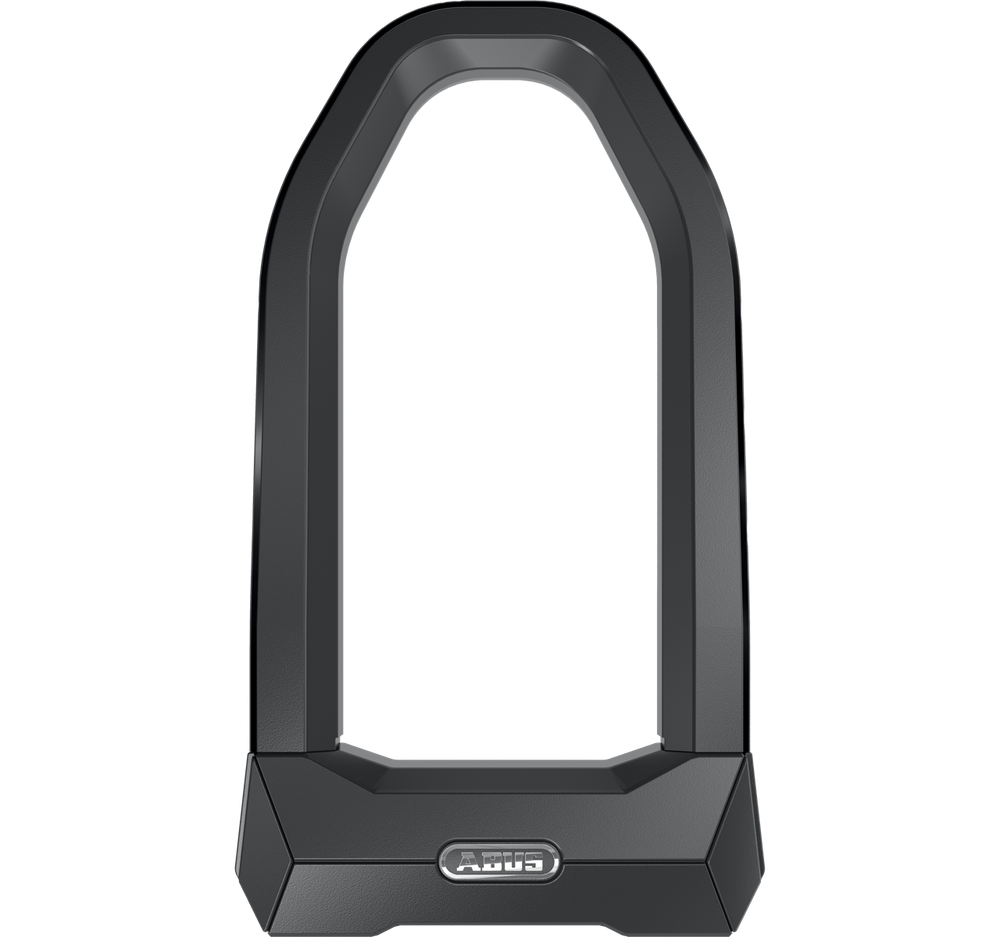 ABUS Granit Super Extreme 2500 | 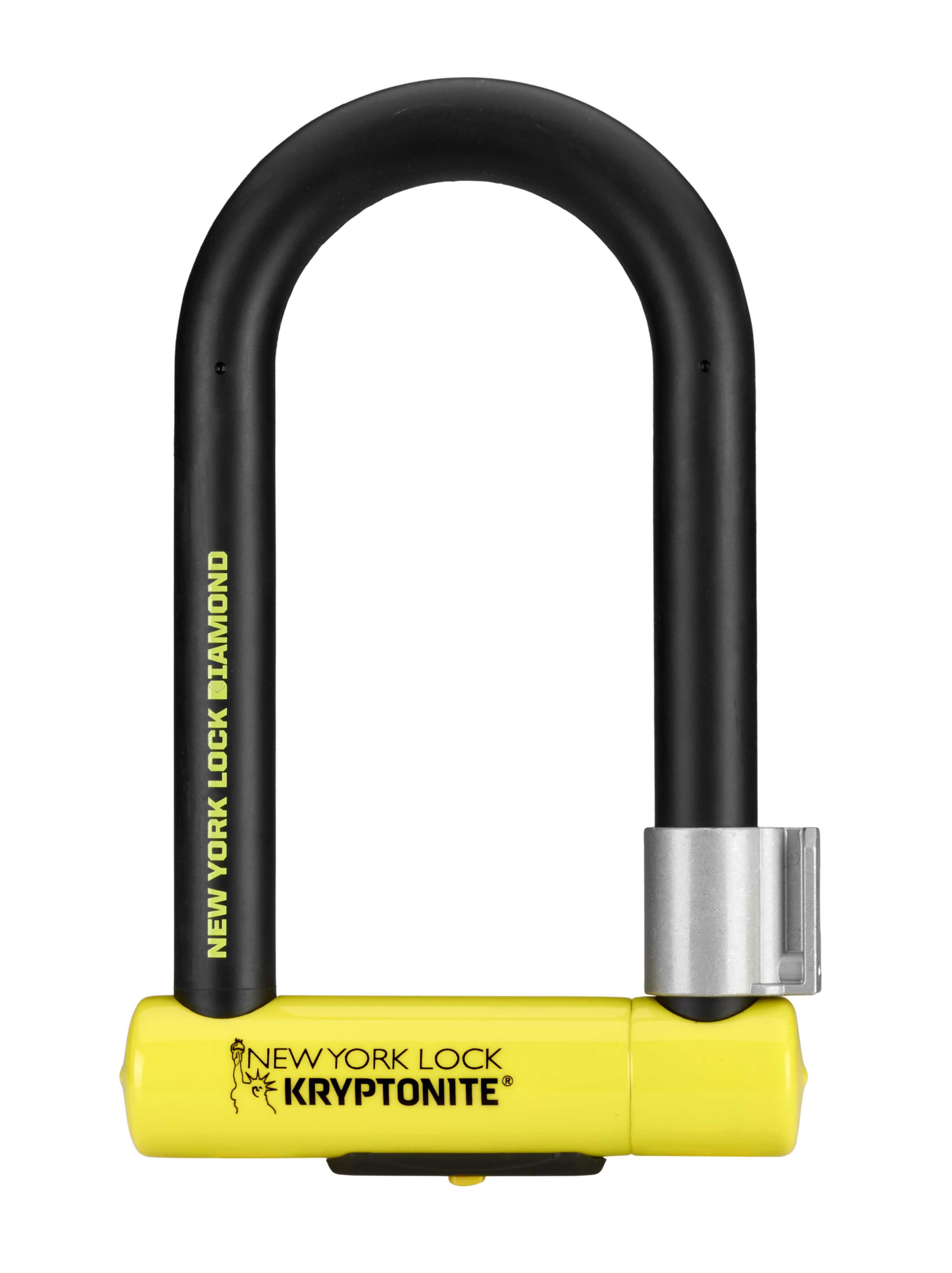 Kryptonite New York Diamond |  Kryptonite New York Fahgettaboudit MiniBudget pick |  Kryptonite New York Fahgettaboudit Chain 1410 | 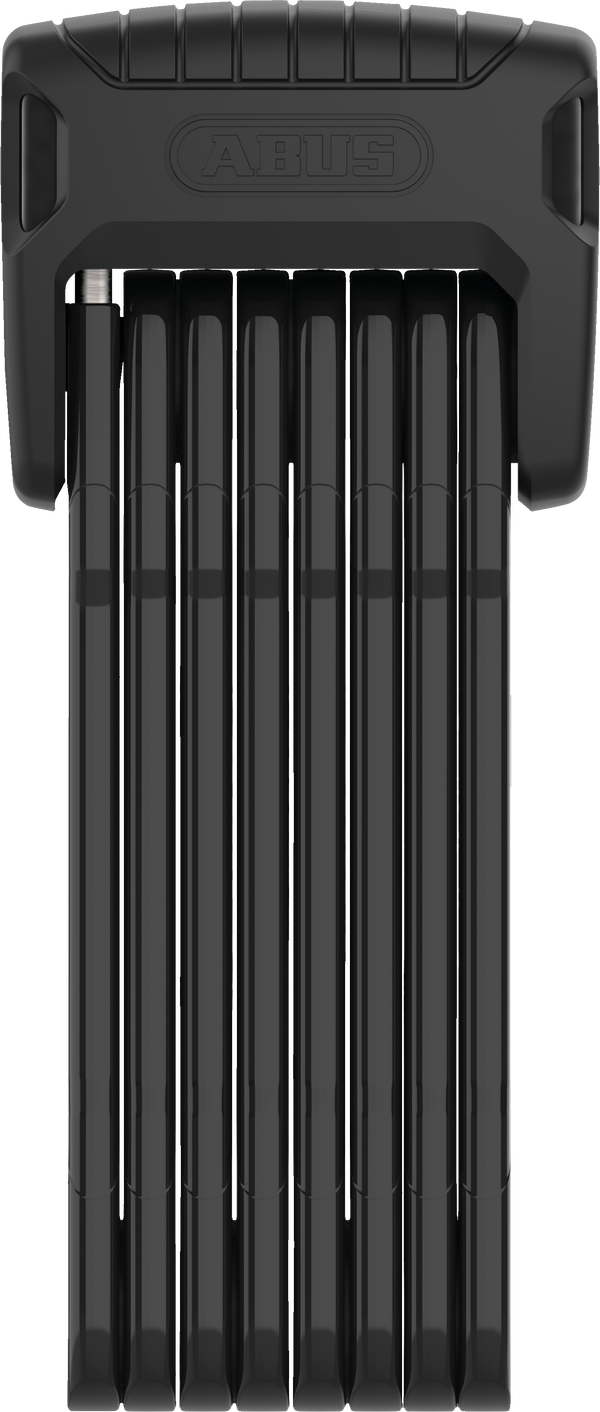 ABUS Bordo Granit XPlus 6500 |
|---|---|---|---|---|---|---|---|---|---|
| Type | U-lock | U-lock (14mm) | U-lock | U-lock | U-lock (27mm) | U-lock (26mm) | U-lock (18mm) | Chain (14mm) | Folding |
| Sold Secure | Powered Cycle Diamond | Diamond | Powered Cycle Diamond | Powered Cycle Diamond | Diamond | Diamond | Diamond | Diamond | Gold |
| Grinder defence | Barronium armour | Disc-destroying coating | Ferosafe graphene armour | Barronium armour, thickest here | Tungsten carbide | Diamond-coated shackle | None | None | None |
| Weight | 1.7 kg | 1.34 kg | 1.9 kg | 2.1 kg | 2.2 kg | 2.3 kg | 2.1 kg | ~5 kg | 1.6 kg |
| Buy | Buy | Buy | Buy | Buy | Buy | Buy | Buy | Buy | Buy |
Our Picks
Litelok X1
- Type
- U-lock
- Sold Secure
- Powered Cycle Diamond
- Grinder defence
- Barronium armour
- Weight
- 1.7 kg
Standouts
- Powered Cycle and Pedal Cycle Diamond, plus ART 4
- Over four minutes and multiple discs per cut in testing
- Lighter than every armoured rival except the OnGuard
- Frame mount included
Trade-offs
- No anti-theft guarantee, only a 3 year warranty
- Small shackle limits what you can lock to
The X1 brings grinder resistance down to a friendlier price and weight than the D1000, and it holds Sold Secure Powered Cycle Diamond, the ladder written for e-bikes rather than bicycles. Its Barronium armour is designed to wreck cutting discs faster than they wreck the lock.
The number worth knowing is the one Litelok itself cites: 4 minutes 38 seconds and multiple discs to get through one side. That is a long, loud job in public. As the value entry to genuinely grinder-resistant locks, it is the one to beat.
OnGuard RockSolid 8590
- Type
- U-lock (14mm)
- Sold Secure
- Diamond
- Grinder defence
- Disc-destroying coating
- Weight
- 1.34 kg
Standouts
- Lightest and cheapest armoured Diamond lock here
- Won a published grinder-resistance group test outright
- Compact enough for daily carry
Trade-offs
- Slimmest shackle of the armoured locks
- Newer name than Kryptonite or ABUS
The interesting number here is not the security rating but the weight. Diamond-rated and grinder-resistant at roughly 1.3 kg puts it close to a kilo under the other armoured locks, and weight is the reason good locks get left at home.
OnGuard is a less familiar name than Kryptonite or ABUS, but the rating is awarded by Sold Secure rather than by the brand, so the badge means the same thing whoever is wearing it. If you carry a lock daily rather than leaving one at a destination, this is the one to look at first.
Hiplok D1000
- Type
- U-lock
- Sold Secure
- Powered Cycle Diamond
- Grinder defence
- Ferosafe graphene armour
- Weight
- 1.9 kg
Standouts
- Diamond rated on the bicycle, powered cycle and motorcycle ladders
- Proven disc-destroying armour
- Ten year warranty
Trade-offs
- Expensive and frequently out of stock
- The warranty covers defects, not theft
- No frame mount included
The D1000 created this category in 2021, and it exists for the one attack the classic U-locks lose: the cordless angle grinder. Its Ferosafe graphene composite armour eats cutting discs, turning a sub-minute cut into a long, loud, multi-disc job most thieves abandon.
Two caveats. The price is real money and the lock is compact rather than roomy, so check it reaches what you park against. And it has been hard to find in stock, which is the main practical reason to look at the Litelok X1 instead.
Litelok X3
- Type
- U-lock
- Sold Secure
- Powered Cycle Diamond
- Grinder defence
- Barronium armour, thickest here
- Weight
- 2.1 kg
Standouts
- The most grinder-resistant portable bike lock tested to date
- Powered Cycle and Pedal Cycle Diamond, plus ART 4
- ABLOY SENTRY cylinder, a motorcycle-grade lock core
Trade-offs
- The most expensive lock here, and waitlisted at the time of writing
- Heavy
- No anti-theft guarantee
The X3 is the X1 platform with a far thicker Barronium layer, and it is the most attack-resistant portable lock you can currently buy. Litelok claims roughly twenty times the grinder resistance of a leading D lock, and reviewers have burned through multiple discs and several batteries without opening one.
This is the lock for an e-bike that sleeps outside on a street rather than one you carry to a shop. It is the most expensive pick here and it is heavy for a U-lock at 2.1 kg, which is exactly the trade you are making. Availability has been patchy in the US, so check before you plan around it.
ABUS Granit Super Extreme 2500
- Type
- U-lock (27mm)
- Sold Secure
- Diamond
- Grinder defence
- Tungsten carbide
- Weight
- 2.2 kg
Standouts
- Tungsten carbide shackle and body
- Very large shackle section defeats leverage attacks
- Made in Germany
Trade-offs
- The heaviest U-lock here
- Priced with the premium armoured locks
Tungsten carbide in a 27 mm shackle, and the numbers behind it are unusually concrete. In one published test a grinder needed a metal-grade disc and a full five minutes to get halfway through it.
This is the traditional-engineering answer to the grinder era: no composite sleeve, just material hard enough to be a problem. The cost is weight. It is the heaviest U-lock here by a clear margin, and it belongs on a bike that lives locked in one place rather than one you carry a lock for all day.
Kryptonite New York Diamond
- Type
- U-lock (26mm)
- Sold Secure
- Diamond
- Grinder defence
- Diamond-coated shackle
- Weight
- 2.3 kg
Standouts
- Grinder resistance plus the Kryptonite anti-theft offer, nothing else has both
- Double deadbolt, so freeing the bike takes two cuts
- Widely stocked, including Amazon
Trade-offs
- The anti-theft offer is tightly conditioned, read the terms
- Heavier than the composite armoured locks
Kryptonite's answer to the grinder era: a 26 mm double-layer shackle with a diamond-coated core, and in published cutting tests the hardest conventional shackle to get through when attacked at the middle or the top.
It is also the only armoured lock here sold with a theft payout programme behind it. Litelok offers no theft guarantee and Hiplok's ten years covers defects rather than theft, so if you want armour and an anti-theft offer in one product, this is the only card that does both. Read the section above on what that offer actually pays before you count on it.
The distinction worth understanding: this is very hard steel, not composite armour. Against bolt cutters, leverage and time it is superb. Against a determined grinder it buys less time than the Litelok or the Hiplok, and it is far easier to find in a shop.
Kryptonite New York Fahgettaboudit Mini
- Type
- U-lock (18mm)
- Sold Secure
- Diamond
- Grinder defence
- None
- Weight
- 2.1 kg
Standouts
- Diamond rating at a fraction of the armoured locks price
- Tiny shackle leaves no room for tools or leverage
- Covered by the Kryptonite anti-theft offer
Trade-offs
- No grinder armour: conventional steel cuts in about a minute
- Small shackle limits parking options
The Fahgettaboudit Mini has been the reference maximum-security U-lock for years: 18 mm hardened steel, Sold Secure Diamond, and a deliberately small shackle that leaves thieves no room to fit a pry bar or jack. It is now the affordable way into a Diamond rating, and it qualifies for the Kryptonite anti-theft offer.
It is heavy and its size demands parking close to the anchor. There is no grinder armour here, so read its Diamond rating as the bicycle ladder rather than the e-bike one. Against everything except an angle grinder, this is as strong as U-locks get for the money.
Kryptonite New York Fahgettaboudit Chain 1410
- Type
- Chain (14mm)
- Sold Secure
- Diamond
- Grinder defence
- None
- Weight
- ~5 kg
Standouts
- Diamond rated in a chain format, which almost nothing is
- Reaches around posts and racks no U-lock fits
- Too thick for any bolt cutter
Trade-offs
- Far too heavy to carry daily
- No grinder armour
A chain solves the problem no U-lock can: reach. Fourteen millimetre six-sided links wrap the fat posts, awkward racks and street furniture that a rigid shackle will not close around, and a Diamond rating in chain form is rare.
The catch is mass. At roughly five kilograms this is not a lock you carry, it is a lock that lives wrapped around the anchor at home or at work while a lighter U-lock travels with you. Used that way it is the strongest half of a two-lock setup, and two different lock types is still the best value defence there is.
ABUS Bordo Granit XPlus 6500
- Type
- Folding
- Sold Secure
- Gold
- Grinder defence
- None
- Weight
- 1.6 kg
Standouts
- Far more reach than a U-lock
- Folds into a frame-mounted case
- The easiest serious lock to actually carry
Trade-offs
- Gold, not Diamond, so check your insurer lock clause
- Rivet joints are the classic attack point
The folding lock worth taking seriously. It packs into a frame-mounted case the size of a bottle cage and opens into far more reach than any U-lock, which is what makes it usable on the awkward street furniture that real cities are full of.
Know the trade you are making. It is Sold Secure Gold rather than Diamond, the joints between the bars are the weak point by design, and some e-bike insurers will not accept a folding lock as your only lock. Think of it as the lock that means you actually lock up properly, rather than the lock you would leave a bike behind overnight with.
As an Amazon Associate, we earn from qualifying purchases.
How to Choose
How much to spend
The old rule of thumb is 10 percent of the vehicle's value, and it survives because it roughly tracks reality. On a $2,000 e-bike that is a $200 lock, which sounds absurd until you price the replacement.
A cheap cable lock is not a lock. A pair of hand cutters goes through one in a couple of seconds, silently, and any thief working bikes carries them. A cable is for stopping an opportunist walking off with an unattended bike in front of a shop, and it should never be the thing standing between you and a $2,000 loss.
What to look for
Sold Secure is the rating that means something, and Diamond is two different ratings. It is an independent UK programme that pays testers to attack locks with real tools for a fixed time, grading Bronze, Silver, Gold and Diamond. The part almost nobody explains is that Sold Secure runs separate ladders, and the two that matter here are Pedal Cycle and Powered Cycle. Both have a Diamond tier and they are not equivalent: Powered Cycle Diamond is the harder one, reserved for locks with real angle-grinder resistance. So a plain "Diamond" sticker can mean the bicycle ladder, which a grinder-vulnerable lock still passes. For an e-bike parked outside, the words to look for are Sold Secure Powered Cycle Diamond. The important part is that the maker does not award it to themselves. A lock with no third-party rating is asking you to take its word, and marketing words like "maximum security" or "hardened" carry no defined meaning at all. Buy a rating, not an adjective.
Angle-grinder resistance is the newest and most important distinction. For years the security conversation was about bolt cutters and leverage. Then battery angle grinders got cheap, small and quiet enough to carry, and they cut through almost any conventional hardened steel in under a minute. A handful of locks now use abrasive-resistant composite layers that destroy cutting discs rather than resisting them, which turns a one-disc job into a several-disc job in public. Two of the picks here do this. If you park on a street overnight in a city, this is the feature that has actually changed since your last lock.
Shape decides what you can lock to, and that decides everything else. A small U-lock is the most secure shape because it leaves almost no room to insert a jack or a pry bar, but it only reaches a slim post or a proper bike stand. A chain reaches around fat street furniture and awkward racks, at the cost of weight and some leverage exposure. Folding locks split the difference and are the easiest to carry. Before you buy, look at where you actually park, because the most secure lock in the world is useless if it will not close around the only thing there.
Two different locks beat one expensive lock. Thieves carry the tool for the lock they expect. A U-lock through the frame and rear wheel plus a chain or cable through the front wheel means one tool no longer finishes the job, and switching tools in public is exactly the exposure they are trying to avoid. If your budget is $250, two locks at $125 usually buys more real delay than one at $250.
Lock the frame to the immovable object, and get a wheel in there too. The most common expensive mistake is locking only a wheel. Quick-release wheels come off in seconds and the rest of the bike leaves without them. Put the shackle through the rear triangle and rear wheel where possible, fill as much of the U as you can with bike and rack so there is no room for tools, and keep the keyhole facing down and away from the ground.
Take the battery with you when it comes off. A removable battery is a large fraction of the vehicle's value, it is trivially resold, and it is usually held by a lock that is a convenience feature rather than a security one. Carrying it also makes the bike much less attractive to ride away, and it is the single easiest theft deterrent available on most e-bikes.
Register the bike and photograph the serial number now. Recovery rates are poor mostly because owners cannot prove which bike is theirs. The serial is normally stamped under the bottom bracket. Photograph it, note it somewhere you will still have after the bike is gone, and register it with a national database. This costs you five minutes and is the difference between a recovered bike and a bike the police cannot return. Pair it with a tracker if the bike lives outside.
The anti-theft guarantee on the box is not insurance
Several lock makers advertise an anti-theft guarantee, and it causes real confusion. The common assumption in rider forums is that the guarantee just replaces the lock, which would be worthless: if the lock failed, the bike is gone, and a free replacement lock protects a bike you no longer own.
That assumption is wrong, but the instinct behind it is right. These programmes do pay toward the bike. They are just so tightly conditioned that most real thefts fall outside them.
Kryptonite's Anti-Theft Protection Offer is the oldest and most documented example, so it is worth reading closely as the model for the category. Its own terms state plainly that it is not bicycle insurance and has no affiliation with an insurance company. Here is what it actually does.
What it pays. If the lock itself is forced open or broken, it pays the lesser of your bike's base cost, excluding tax and accessories, or your insurance deductible. That is capped at a maximum set by which lock you bought, so the cheap lock carries a small cap and the expensive one a larger cap. Note the second half of that: if you have insurance, the programme pays your deductible rather than your bike.
What you have to do first. Register within a short window of buying the lock, pay a registration fee, and supply an itemised lock receipt from a real retailer, the key number stamped on your key, and your bike's make, model, base cost, serial number and bill of sale. Miss the window or the paperwork and there is nothing to claim against.
What you have to do after a theft. Report to police within 72 hours. Notify the company within 7 days. Then, within 90 days, mail them the broken lock. That last requirement is the one worth pausing on, and it is where the forum instinct is closest to correct: if the thief carried the lock away with them, or you cannot produce the broken pieces, the claim has no evidence behind it.
When it does not pay at all. The terms are explicit on several points that describe extremely common thefts:
- If the rack, post or object you locked to was cut instead of the lock, it does not pay. The lock has to be the thing that failed.
- If the bike frame was cut, it does not pay.
- Cables are never covered, including the cable bundled with a covered U-lock.
- The e-bike battery is excluded, which on many e-bikes is a large share of the value and a target on its own.
- Attempted thefts and recovered bikes are excluded, as is vandalism that does not result in a theft.
- Coverage runs one year from registration unless you pay to extend it.
- There are geographic carve-outs. In New York City, only the maker's New York series locks are covered in Manhattan.
None of this makes the guarantee worthless. It is a genuine, if narrow, refund, and it costs little. But it is a refund tied to one specific failure mode, not cover for losing your bike, and it should not change which lock you buy or how carefully you lock up. Buy the lock on its security rating. Treat the guarantee as a small bonus you register for on the day you buy, because the registration window is short and there is no way to add it later.
One thing to check before you register: because the payout can be limited to your deductible, the guarantee and an actual insurance policy interact. Work out which one is really carrying your risk before you assume either of them is.
Frequently Asked Questions
Should I use two locks?
Does my e-bike's built-in wheel lock count?
Looking to buy an electric ride?
We track 378 vehicles and check their prices every day. Start wherever suits you.
Type
Budget